
Skip to content
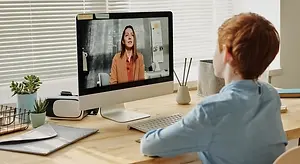
A young boy is sitting in front of a computer screen, watching a video on Zoom. He is wearing a blue shirt and appears to be focused on the video. The computer screen displays a woman giving a presentation, and the background includes a desk with a potted plant, a book, and a white keyboard. The desk is located in a room with white blinds and a white wall.

From tablets and smartphones to smartboards and laptops, screens are everywhere—and kids are spending more time on them than ever. While technology can be a fantastic learning tool, excessive screen time can put a strain on your child’s developing eyes.

At Strong Vision Center in Cypress, TX, we see more children with symptoms of digital eye strain every year. That’s why we're sharing what you need to know—and how to protect your child’s vision.

Common Symptoms of Digital Eye Strain in Children

Kids don’t always know how to express discomfort, so watch for these signs:

  • Frequent eye rubbing or blinking
  • Complaints of headaches or tired eyes
  • Difficulty focusing or staying attentive
  • Sitting very close to screens
  • Trouble sleeping (especially after evening screen use)

These symptoms may point to digital eye strain, or in some cases, an undiagnosed vision issue.

How Screen Time Affects Children’s Vision

Prolonged screen use can lead to:

  • Myopia (nearsightedness): A condition that’s increasingly linked to extended close-up tasks like reading and screen use.
  • Eye fatigue and dry eyes: Less blinking means less moisture.
  • Poor posture and headaches: Staring at screens at the wrong angle can contribute to strain.
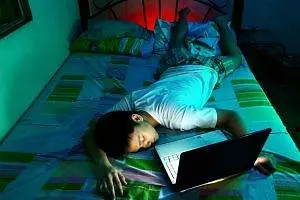
A man is sleeping on a bed while using a laptop, with his eyes closed and head resting on a pillow, and a red light illuminating the room

7 Easy Ways to Protect Your Child’s Eyes

  1. Use the 20-20-20 Rule Every 20 minutes, have your child take a 20-second break and look at something 20 feet away.
  2. Encourage Outdoor Play Studies show outdoor activity can slow myopia progression and give eyes the break they need.
  3. Create an Ergonomic Setup Make sure screens are at eye level and at least an arm’s length away.
  4. Adjust Lighting Avoid screen glare by keeping lights soft and screens at proper brightness levels.
  5. Limit Screen Time Before Bed Blue light exposure in the evening can affect sleep and contribute to digital fatigue.
  6. Consider Blue Light Filters Ask your optometrist if your child would benefit from blue-light-blocking glasses.
  7. Schedule Regular Eye Exams Routine eye exams are key to catching issues early—even if your child doesn’t wear glasses yet.

When to See an Optometrist

If you suspect your child’s screen use is affecting their vision, don’t wait. At Strong Vision Center, we offer comprehensive pediatric eye exams tailored to your child’s needs, habits, and development. Whether it’s eye strain or myopia management, our team in Cypress, TX is here to help.

Ready to Protect Your Child’s Vision?

Conveniently located in Cypress, TX. Schedule your appointment at Strong Vision Center Center or Strong Vision Center Center - Fairfield.

Learn more about our Pediatric Eye Exams at Strong Vision Center.