Skip to content

Pediatric Eye Care: Slowing Progressive Myopia in Children

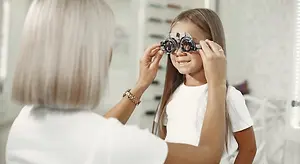
A woman is examining a young girl's eyes using an ophthalmoscope in a room

Children's eyes grow quickly, especially during the school years. As more families balance schoolwork, sports, and daily screen use, many parents notice their child's glasses prescription changing year after year. Stronger lenses improve vision today, but they do not slow the condition itself. Early myopia management can help protect your child's vision for the future.

What Is Progressive Myopia?

Progressive myopia happens when a child's nearsightedness continues to worsen as the eye grows longer. As this happens, distant objects become blurrier, and stronger eyeglasses or contact lenses may be needed more often. Many children experience the fastest changes between ages six and sixteen.

The Risks of Progressive Myopia

A changing prescription is more than an inconvenience. Progressive myopia can raise the risk of eye conditions later in life, such as:

  • Higher risk of retinal detachment
  • Greater chance of glaucoma
  • Increased risk of cataracts at a younger age
  • Higher likelihood of myopic macular degeneration
  • More frequent prescription changes during childhood

With early intervention, these risks can be reduced, which is why comprehensive pediatric eye exams should be an important part of myopic children’s care routine.

How the Progression of Myopia Can Be Slowed

While glasses help children see clearly, myopia management focuses on slowing the eye's growth. Starting treatment early often provides the greatest benefit because children's eyes are still developing.

Myopia Management Glasses

Essilor Stellest lenses are the latest eyeglass technology available in slowing myopia progression. These lenses correct vision while sending signals that may help slow the eye's growth. Children wear them throughout the day just like regular glasses.

Ortho-k Lenses

Ortho-k lenses are contacts that gently reshape the front surface of the eye while your child sleeps. After removing the lenses in the morning, many children enjoy clear daytime vision without glasses or contact lenses while treatment continues to help slow myopia progression.

Soft Contact Lenses

Certain soft contact lenses are designed for myopia management. They provide clear vision during the day while helping reduce the rate at which the prescription changes.

Atropine Eye Drops

Low-dose atropine eye drops are used nightly to help slow the elongation of the eye, reducing the progression of myopia. When combined with regular monitoring, this treatment can help preserve your child's long-term eye health as they grow.

Regular Monitoring Matters

Our eye doctors carefully track your child's prescription and eye growth during routine visits. These appointments allow our team to adjust treatment as your child grows and help keep myopia management on the right path.

Myopia Management at Strong Vision Center

At Strong Vision Center, our eye doctors create eye care plans based on each child's age, prescription, daily activities, and visual needs. We offer evidence-based treatment options, including Essilor Stellest lenses, ortho-k, and ongoing monitoring with advanced technology.

Our myopia management services include:

  • Comprehensive pediatric eye exams
  • Essilor Stellest lenses
  • Ortho-k treatment
  • Myopia monitoring with advanced imaging
  • Personalized treatment plans
  • Ongoing follow-up visits to track progress

Protect Your Child's Vision

Children deserve every opportunity to see clearly in the classroom, on the playing field, and at home. Myopia management helps protect their long-term eye health while slowing prescription changes. At Strong Vision Center, our team provides personalized eye care using proven treatment options and advanced technology.

Book your child's comprehensive eye exam. If our eye doctor identifies progressive myopia, we'll discuss whether a dedicated myopia management consultation is the next step to determine if treatments such as Essilor Stellest lenses, ortho-k, or atropine eye drops are appropriate.

To learn more about our Myopia Management program, visit our Myopia Management page.

Progressive Myopia FAQs

When should I search for a pediatric eye doctor near me?

If your child squints, moves closer to screens, struggles to see the classroom board, or needs stronger glasses every year, it is time to schedule a comprehensive eye exam. Parents searching for a pediatric eye doctor should choose a practice that offers myopia management and regular monitoring as children's eyes develop.

Can regular glasses slow progressive myopia?

Traditional glasses improve distance vision but do not slow the eye's growth. Myopia management treatments are designed to address both clear vision and slowing progression.

How often should my child have an eye exam?

We recommend all children have a comprehensive eye exam every year to monitor their vision and eye health. If our eye doctor detects progressive myopia, your child may need additional myopia management visits to monitor eye growth, prescription changes, and treatment effectiveness.

Is myopia management safe?

Evidence-based treatments such as Essilor Stellest lenses and ortho-k have been used successfully for many children when prescribed and monitored by experienced optometrists. Our eye doctors discuss every option with parents before treatment begins.